
Input & assumption sheet
The agreed question, geometry, units, materials, heat input, boundary conditions and acceptance criteria.
Describe the engineering outcome you need. Renra is being developed to plan, execute and iterate the investigation using your organization’s knowledge and compatible engineering tools—with engineers supervising the decisions that matter.
Illustrative investigation · Planned workflow, not a live product demonstration.
The planned workspace brings the brief, agent activity and engineering artifacts together. The agent would create geometry, mesh, configure compatible solvers and iterate designs, drawing on your team’s expertise while you review the choices that matter.
Describe an objective in text or voice, share an image or drawing, or bring an experimental test report or previous study. The planned platform would extract relevant engineering context, identify missing information and propose the next investigation.
The investigation can begin from your existing material. Units, assumptions, data quality and relevance would be checked before using it in engineering work.
Explore an alternative and prepare a design for engineering review.
Solid heat conduction → Compatible solver → Numerical checks
Material and cooling assumptions require review. No solver is running.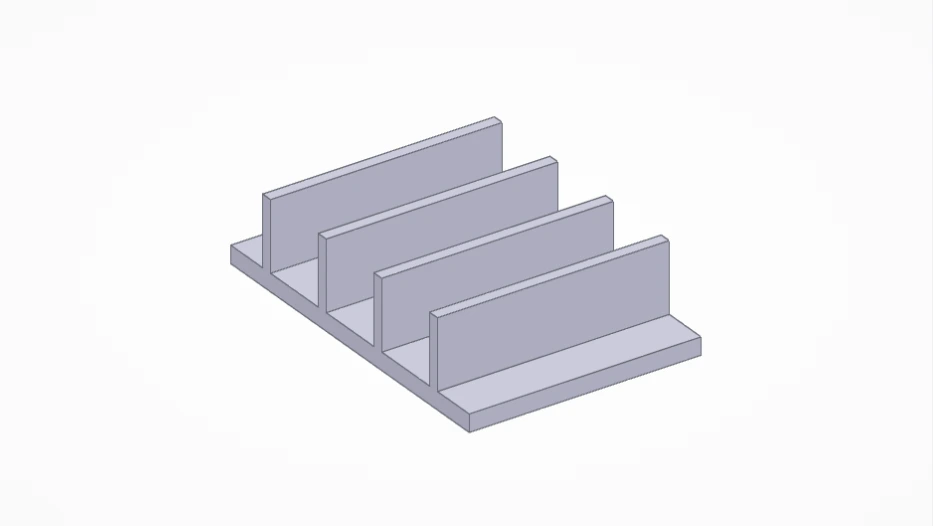 Prepared model preview
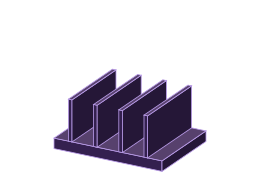 A / 3 mm base
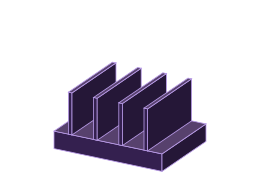 B / 5 mm base
Temperature mapped onto the same mesh. Solver validation is pending.
A decision, its constraints and the context needed to investigate it.
Scripted concept walkthrough using prepared CAD and mesh assets. Temperature is illustrative. No live agent or solver is running.
The intended platform derives routine model setup and study parameters from the objective and permitted context, asking for clarification when essential inputs or evidence are missing.
Bring prior studies, material knowledge, design rules and expertise across domains into the investigation. Preserve their sources and reasoning, and check when earlier assumptions still apply.
Turn the objective into a plan, derive routine parameters, create geometry and meshes, run compatible solvers and iterate designs within approved limits.
Review consequential choices and follow the evidence behind them. Retain approved methods, lessons and decision rationale in organizational memory for related investigations, within agreed access permissions.
Planned architecture. Actual adapters, deployment boundaries and data permissions will be defined and validated for each supported workflow.
The intended deliverable connects a design candidate to its inputs, tool configurations, numerical evidence and decision history, with permitted context available for related investigations.
The agreed question, geometry, units, materials, heat input, boundary conditions and acceptance criteria.
Geometry and mesh versions, tool settings, execution records and source artifacts associated with each variant.
Mesh sensitivity, relevant conservation checks, reference comparisons and any discrepancies requiring review.
How the alternatives compare against the original question, within the explored designs and stated model.
What the study does not establish, uncertain inputs and any further numerical or physical testing required.
The reviewer's decision, its rationale and the evidence approved for later reuse within the permitted project context.
AI-generated interpretation and solver-generated numerical evidence should remain distinguishable in the study record.
Initial conversations would establish whether a bounded evaluation makes sense for a recurring engineering problem your team already faces.
Describe a recent study, the current workflow, the repeated effort and the decision it needs to support.
Define inputs, permitted tools, data-sharing arrangements, review criteria and a qualified engineering reviewer.
Assess accepted evidence, active engineer effort, total study cost and useful context carried into a related investigation.