
Plan the investigation
Text, voice, images and existing research.
Explore planningDescribe the engineering outcome you need. Renra is being developed to plan, execute and iterate the investigation using your organization’s knowledge and compatible engineering tools—with engineers supervising the decisions that matter.
Engineering context is difficult to carry across applications, files and people. AI Research Engineer is being developed as a workspace that carries an investigation from intent through design iteration and review, using compatible engineering tools and your organization’s R&D expertise.
Text, voice, images and existing research.
Explore planningConnect compatible tools through one investigation.
Explore executionKeep methods, evidence and approved reasoning.
Explore R&D memoryRenra is being developed to coordinate routine engineering work, bring evidence into design decisions and carry your team’s expertise into the next investigation.
Explore the product workflowLess routine setup. More time to investigate engineering decisions.
Explore the workflowTargeting more efficient iterations across compatible engineering tools.
Explore the workflowTools, evidence and organizational expertise in one continuous investigation.
Explore the workflowPerformance targets for scoped engineering studies; not measured or guaranteed results. One connected workspace describes the platform direction.
Our vision is an AI engineering workspace that uses your team’s domain expertise to advance investigations across compatible tools. Each study should preserve its methods, evidence and approved reasoning, building organizational knowledge that future work can draw on.
Findings, assumptions and decisions
Established engineering expertise
Constraints and acceptance criteria
Measurements, tests and observations
Expertise, connected
to its evidence.
Design, analysis and validation across a wider design space.
Start with the knowledge
your team has already built.

Early product-definition and validation stage. The engineering problem stays central. Tools execute the work. Evidence and knowledge persist.
An intelligence layer designed to connect your organization’s R&D knowledge with compatible engineering tools and engineer-led review.
Bring prior studies, experimental evidence, design rules and domain methods into the investigation.
Coordinate supported CAD, meshing, solver and compute tools through traceable workflows.
Keep consequential assumptions, exceptions and final approval with your engineers.
Planned integrations will be selected and validated around a bounded engineering study.
Target application areas for supervised engineering investigations.
 Aerospace
Thermal and structural investigations for components and assemblies, with traceable assumptions and engineering review.
Explore the workflow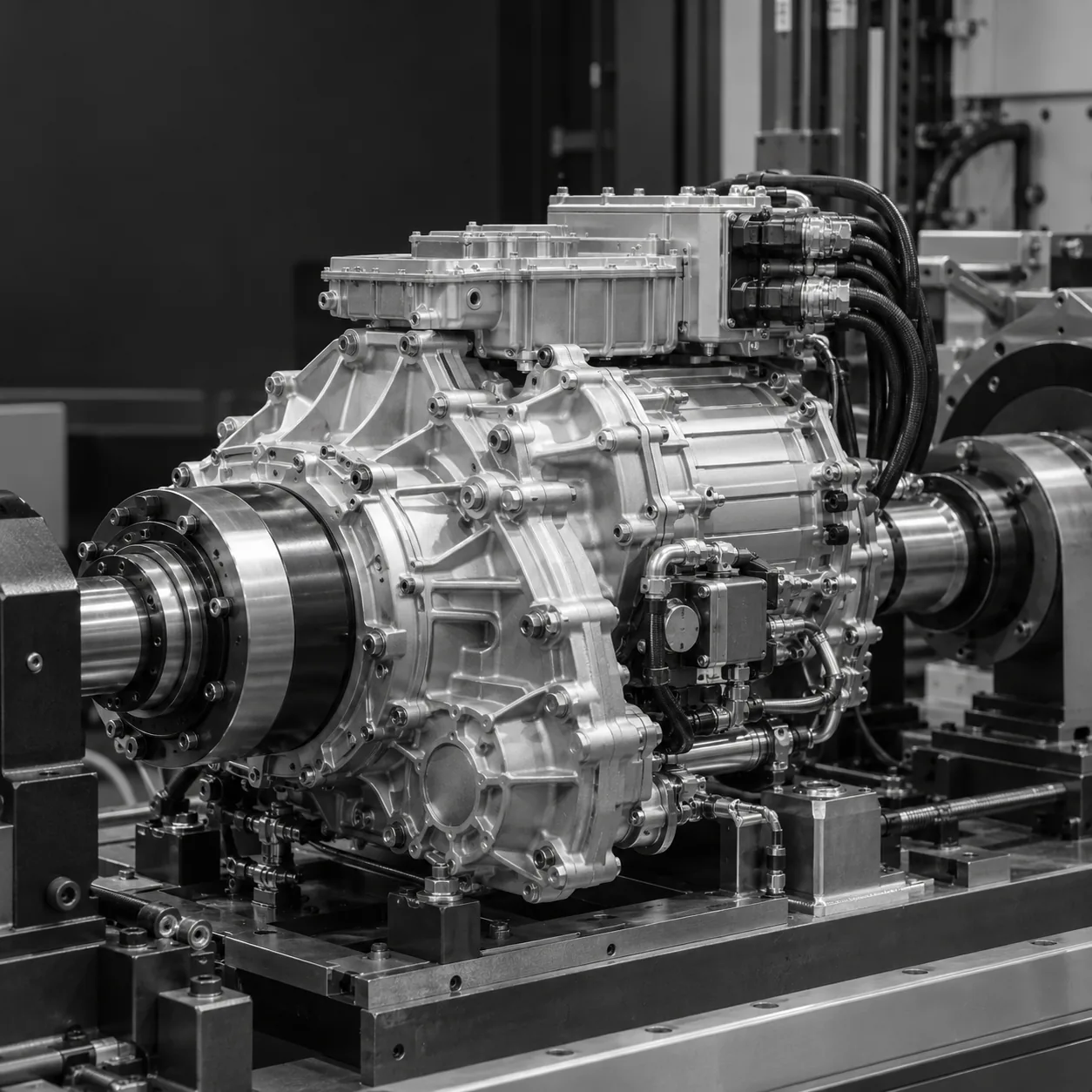 Automotive
Thermal management and component design studies, connecting geometry, numerical evidence and design comparisons.
Explore the workflow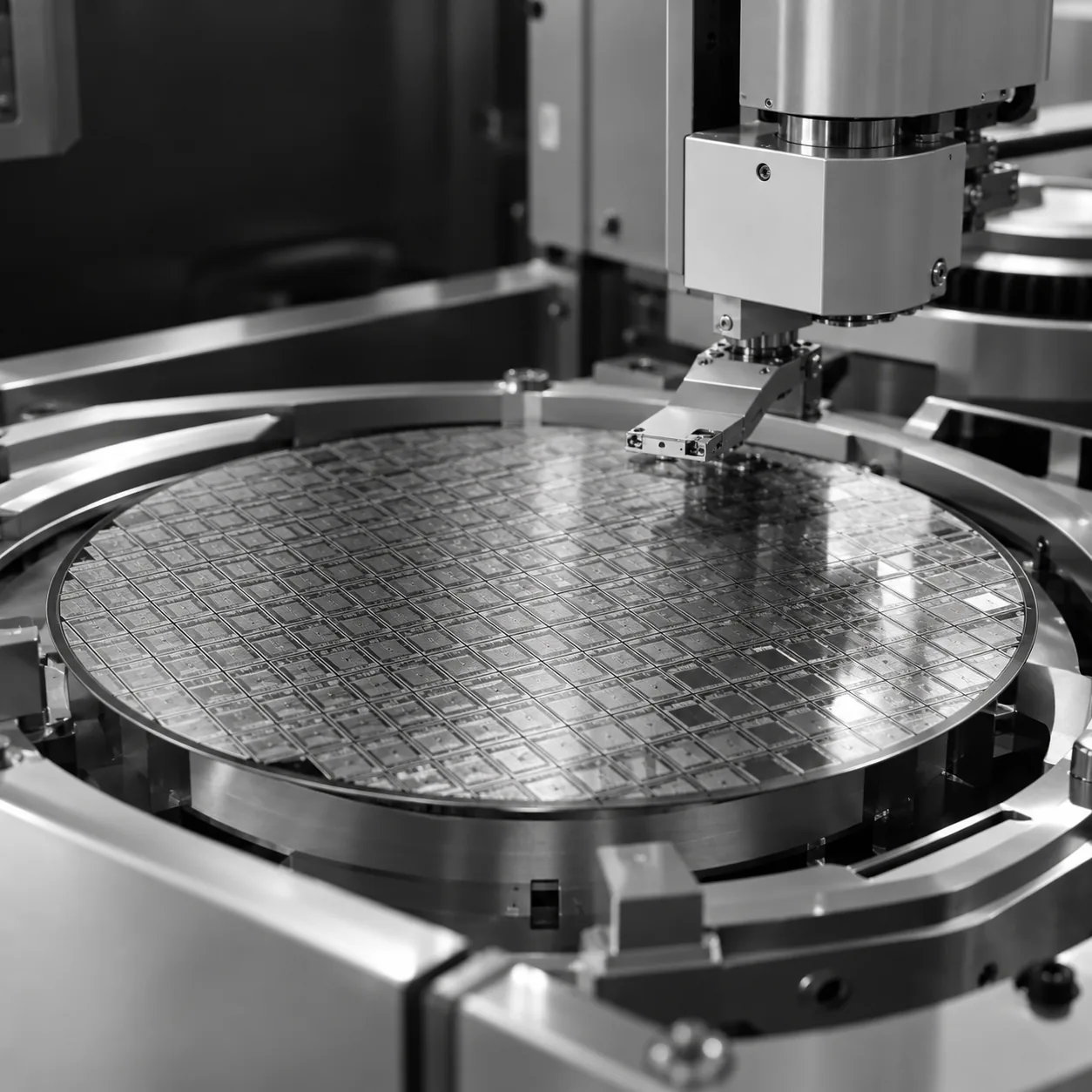 Semiconductors
Package cooling, heat-sink design and thermal reliability studies informed by material knowledge and experimental context.
Explore the workflow Industrial
Thermal and mechanical component studies, with reusable methods and evidence across design iterations.
Explore the workflowEarly conversations are focused on real engineering problems, validation requirements and potential pilot workflows.
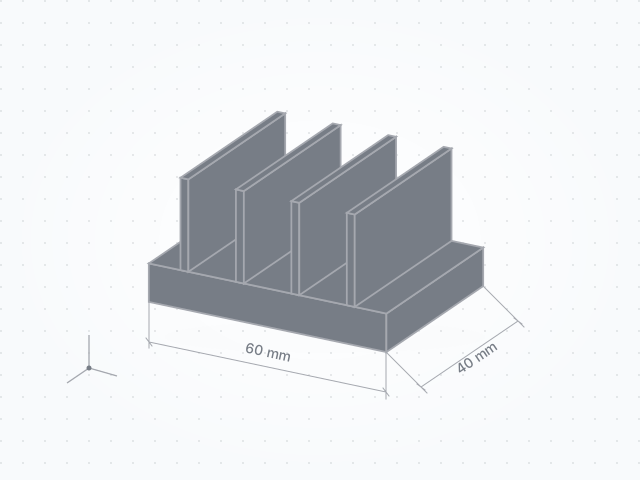 Original engineering geometry · Conceptual study
Turn constrained engineering resources into more focused computational studies and clearer prototype decisions.
Explore repeatable project setup, study evidence and approved research context while preserving strict client-data boundaries.
A longer-term path to coordinated studies, trusted-solver handoff, permissioned knowledge and review-ready evidence.
Are repetitive simulation studies, fragmented workflows or difficult-to-reuse research context slowing down your team? Tell us about a representative problem. We'll explore whether a bounded evaluation makes sense for your workflow.
Local preview · Contact is not configured yet. No inquiries can be submitted. A verified contact destination and privacy notice are required before publication.